Bioinformatics Analysis
Explore our premium bioinformatics and computational analysis services. From custom sequencing pipelines to molecular docking, our expert team delivers research-grade results to power your scientific discoveries.
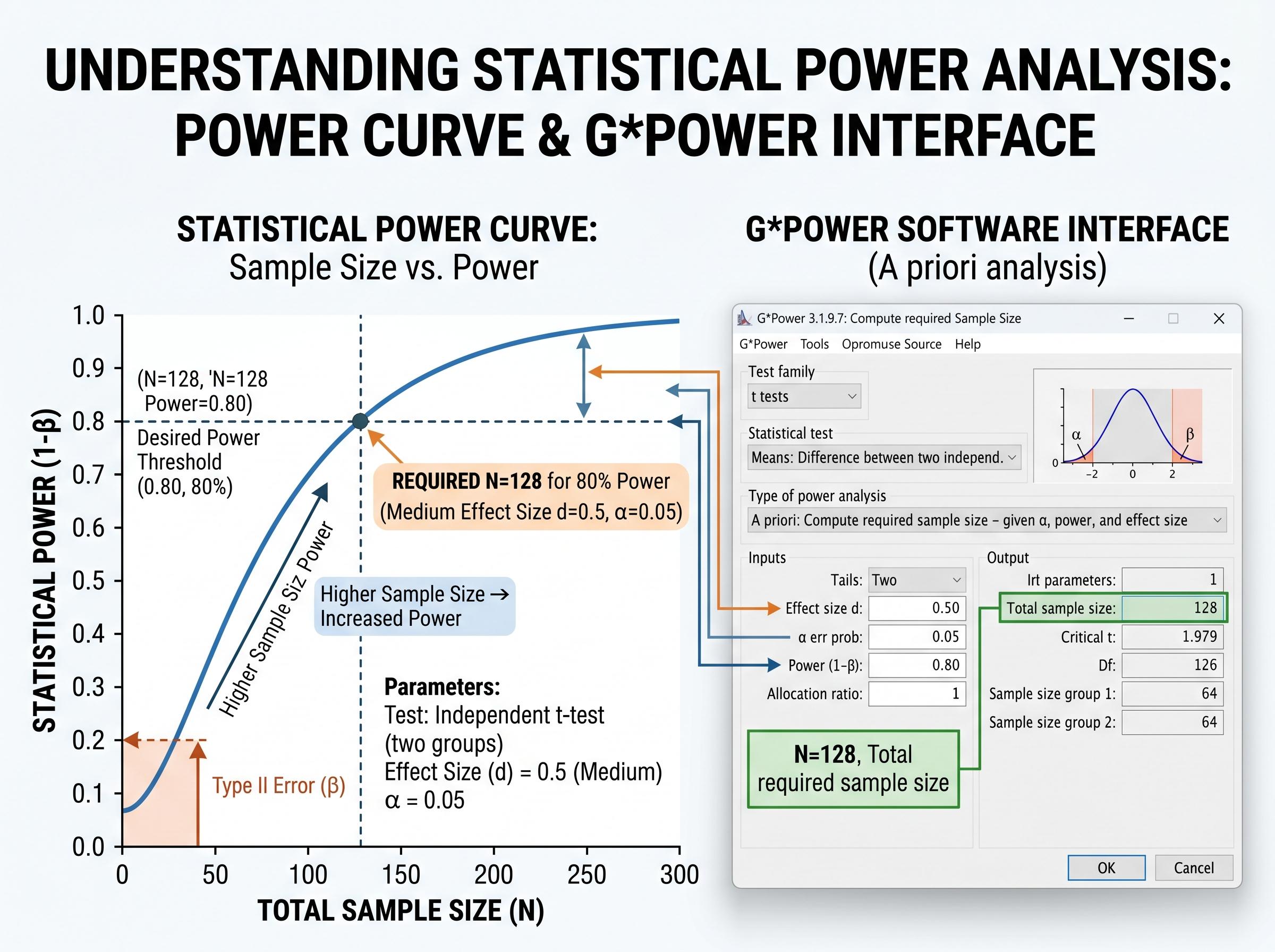
Statistical Sample Size Calculation (Power Analysis)
Secure your institutional ethical approval (IRB) and validate your experimental design before you begin sampling. Molecular Hub offers a dedicated, comprehensive biostatistical Sample Size Calculation and Power Analysis service utilizing advanced statistical frameworks and industry-standard G*Power software. We provide the precise mathematical justification required for university synopses, grant proposals, and clinical trials. Our Workflow Includes: 1. Research Design Review: Analyzing your core study hypotheses, primary outcomes, and planned statistical tests (e.g., t-tests, ANOVA, Chi-Square, or Regression). 2. Parameter Optimization: Establishing mathematically sound alpha (α) error probabilities (typically 0.05) and targeted statistical power levels (1-β, typically 80% or 90%) based on literature or pilot data. 3. Mathematical Power Modeling: Running precise sample size calculations tailored exactly to your specific study groups. 4. Protocol Write-up: Delivering a formally drafted, citation-backed statistical justification paragraph that you can paste directly into your synopsis or board application. Provide us with your research question or study design, and our team will deliver your mathematically sound sample size parameters!

Plagiarism Checking & Turnitin Similarity Reduction
Secure your academic integrity and clear your document for official university submission. Molecular Hub provides comprehensive plagiarism screening and expert similarity reduction services. If your thesis, synopsis, or manuscript is stuck above your institution's strict Turnitin threshold, our scientific editors manually rephrase and restructure your text without compromising the technical accuracy of your research. Our Workflow Includes: 1. Official Turnitin Assessment: Running your document through an official, non-repository Turnitin portal to generate an exhaustive similarity report highlighting overlapping text. 2. Manual Technical Paraphrasing: Sentence-by-sentence rewriting of flagged sections by scientific writers who understand biotechnology and medical terminology—avoiding clumsy automated AI spinning. 3. Citation Alignment: Ensuring that matching strings due to common definitions or methodology steps are properly isolated, quoted, or cited. 4. Final Verification: Re-testing the polished manuscript to deliver a clean, low-similarity report matching your department's exact criteria. Upload your draft, and let our team bring your similarity index down to safe, publishable levels!
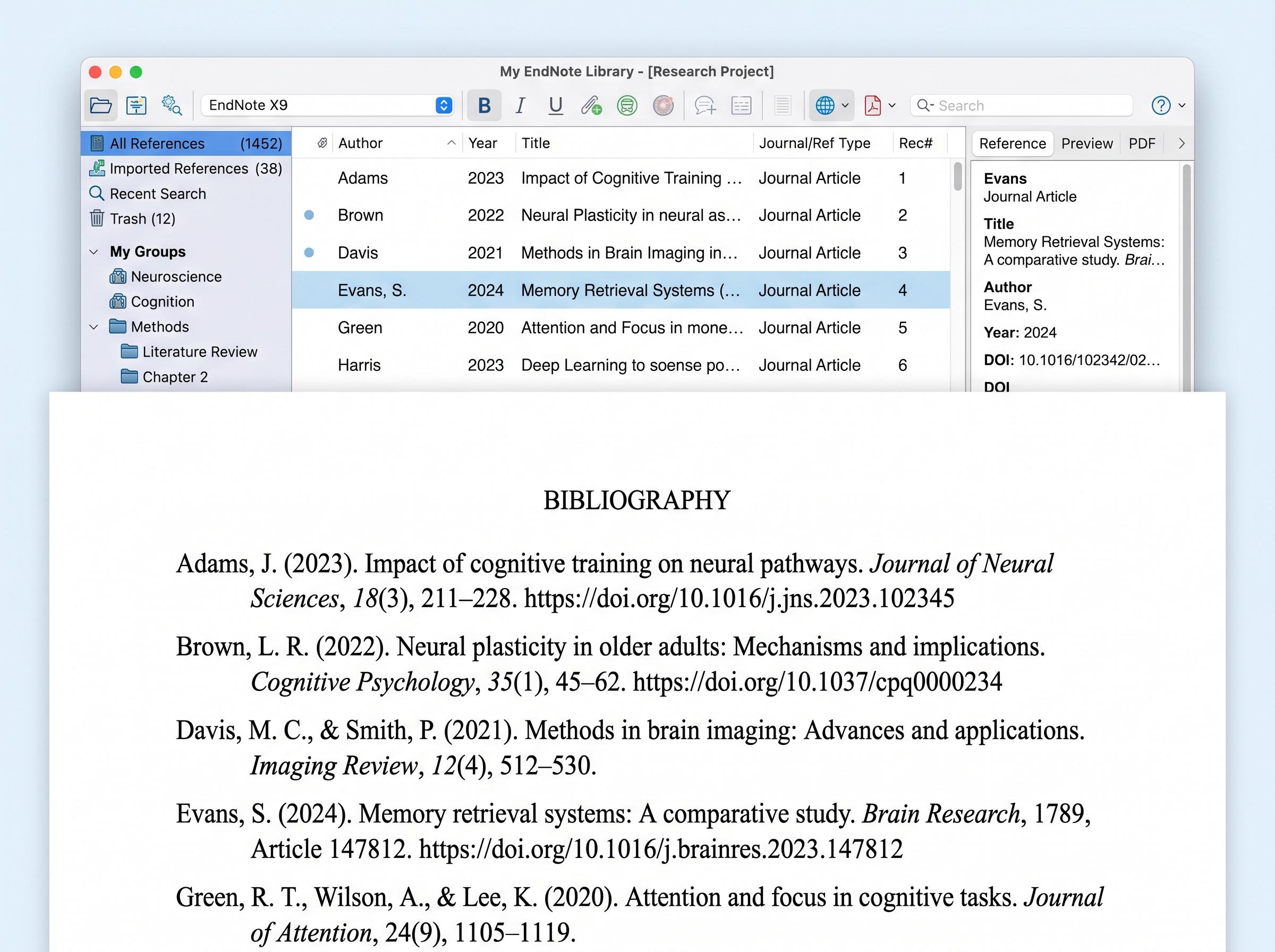
Reference Citation Management & Bibliography Formatting Services
Don't let disorganized citations or tedious formatting errors hold back your manuscript’s acceptance. Molecular Hub offers professional citation management and bibliography cleanup services using industry-leading software like EndNote and Mendeley. Whether you are submitting a university thesis or resubmitting a research paper to a top-tier international journal, we ensure every reference is structurally flawless and perfectly aligned with your target guidelines. Our Workflow Includes: 1. Thorough Citation Auditing: Cross-matching every single in-text citation with your final bibliography list to detect and resolve missing, broken, or mismatched references. 2. Style Library Conversion: Instantly transforming your entire manuscript's citation style into any requested academic profile—including APA, Harvard, Vancouver, Chicago, Nature, or highly specific target journal layouts. 3. Metadata Standardization: Reviewing and cleaning up incomplete reference data, fixing broken DOIs, retrieving missing volume/issue numbers, and correcting irregular journal name abbreviations. 4. Reference Software Integration: Compiling your updated references into an active, functional digital library database for seamless future editing. Send us your raw manuscript draft and your target journal or university guidelines, and let our team handle your bibliography with absolute precision!
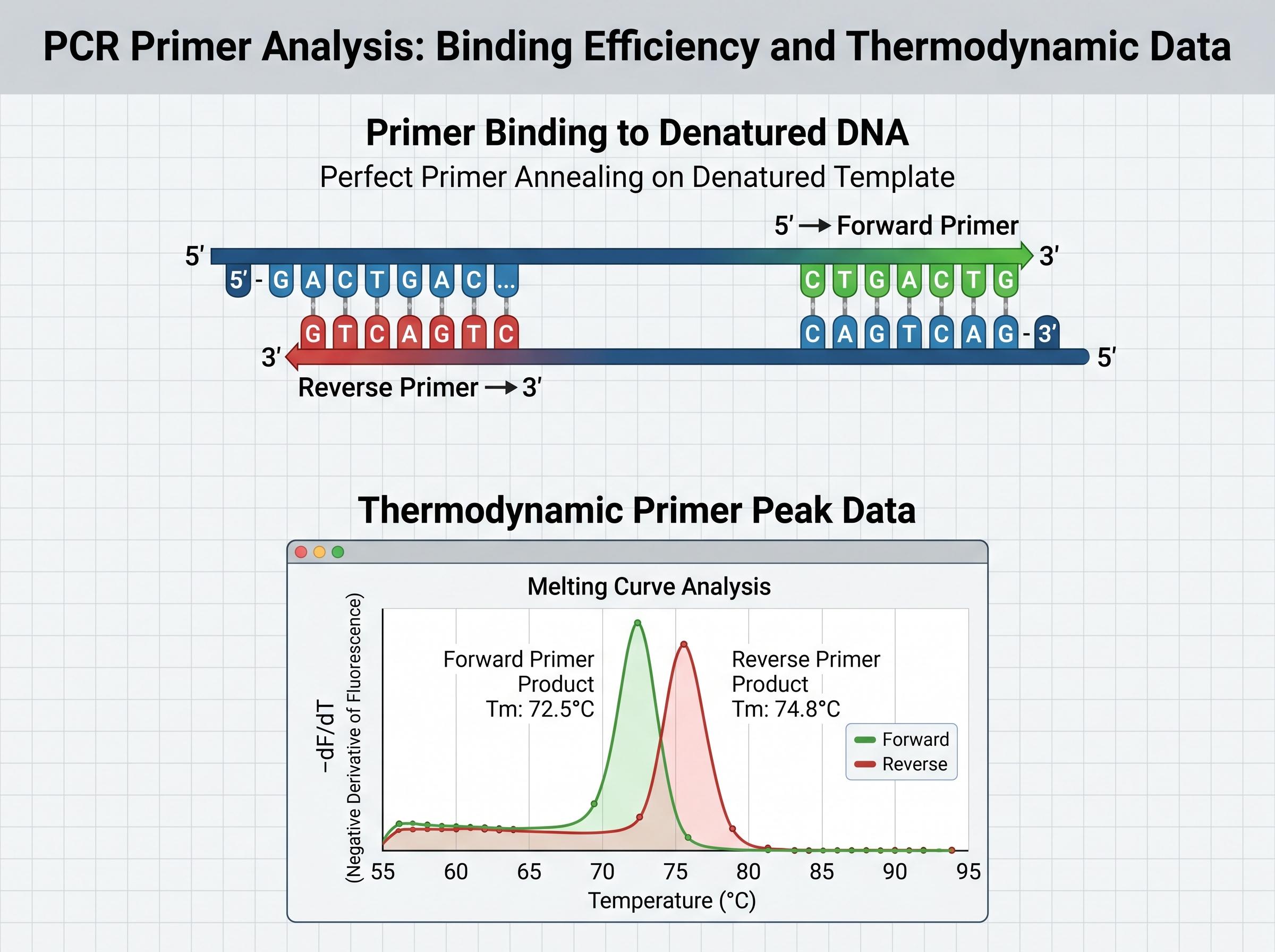
Custom Primer & Probe Design (PCR / RT-qPCR Assay Layout)
Ensure the absolute success of your wet-lab amplification experiments before ordering your oligonucleotides. Molecular Hub offers expert Primer and Probe Design services for standard PCR, Real-Time Quantitative PCR (SYBR Green/TaqMan), and complex multiplex assays. We eliminate the guesswork and protect your research budget by preventing costly non-specific amplification, primer-dimers, and poor reaction efficiencies. Our Workflow Includes: 1. Sequence Retrieval & Target Targeting: Extracting official mRNA or genomic DNA reference sequences from NCBI/Ensembl and screening for highly conserved regions. 2. Thermodynamic Optimization: Applying rigorous parameters (via Primer3 and OligoAnalyzer) to perfectly balance melting temperatures (Tm), GC content (40-60%), and total sequence length. 3. Secondary Structure Auditing: Evaluating and eliminating potential self-dimers, hetero-dimers, and hairpin loops that cause assay failure. 4. Specificity Verification (Primer-BLAST): Cross-checking every designed pair against the entire target organism’s genome to guarantee absolute specificity to your gene of interest. 5. Multiplex Layout (Optional): Minimizing cross-reactivity between multiple primer pairs running simultaneously in a single reaction tube. Provide us with your target gene names, accession numbers, or raw FASTA sequences, and our team will deliver optimized, synthesis-ready primer details!
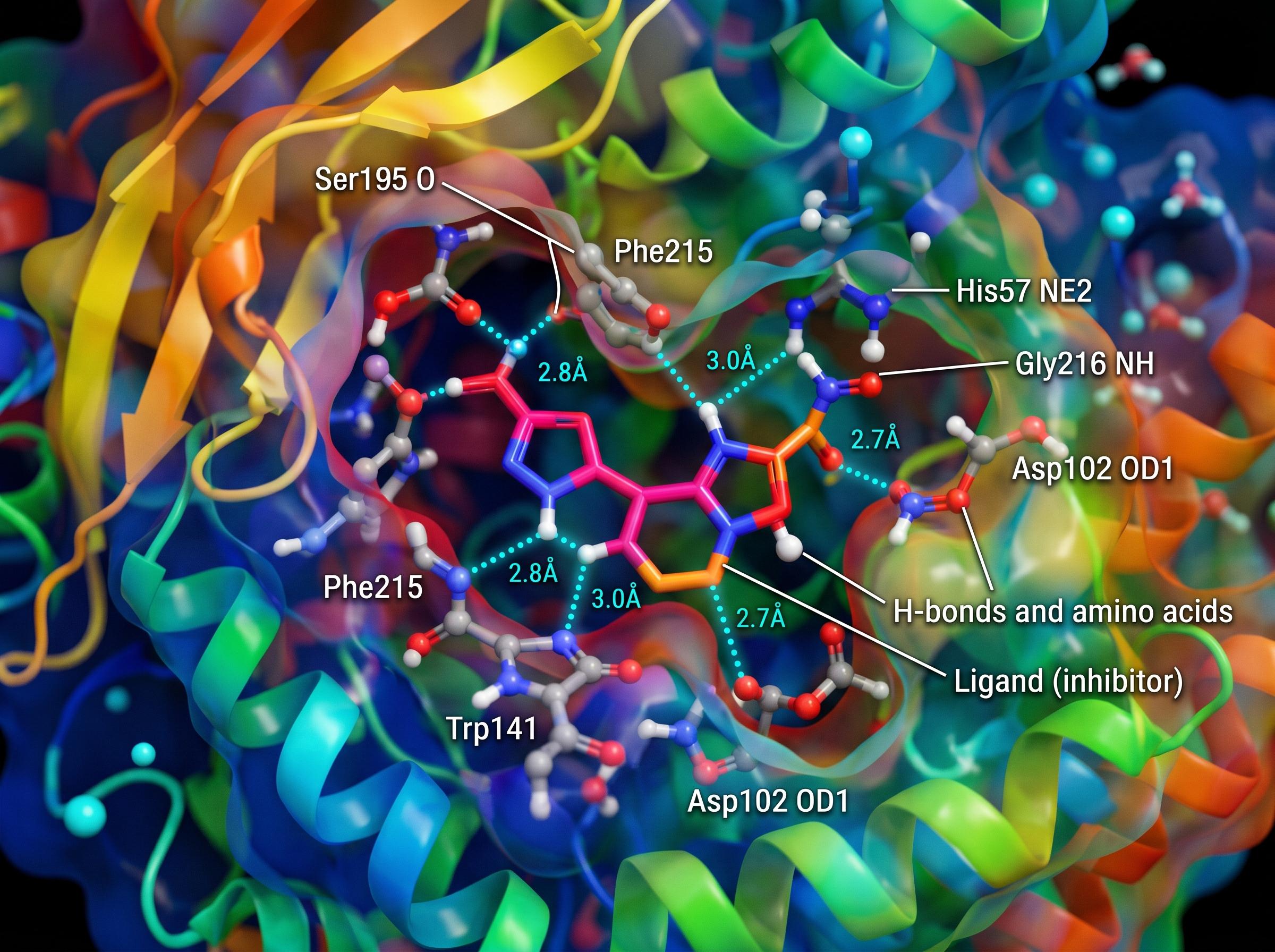
Molecular Docking & In Silico Drug Discovery
Accelerate your pharmaceutical and biochemical research with Molecular Hub’s high-precision Molecular Docking and Computer-Aided Drug Design (CADD) services. Before spending heavy budgets on wet-lab screening, our in silico simulations help you predict how small molecules, natural compounds, or synthesized drugs interact with target biological proteins. Our Workflow Includes: 1. Target Protein & Ligand Preparation: Retrieving 3D structures from the RCSB Protein Data Bank (PDB), optimizing geometries, removing water molecules, and adding essential polar hydrogens. 2. Active Site Identification: Mapping receptor binding pockets using grid boxes based on literature or blind-docking algorithms. 3. Molecular Docking Execution: Running advanced docking simulations (via AutoDock Vina or PyRx) to compute binding affinities (kcal/mol) and score ligand conformations. 4. Interaction Profiling & Visualization: Analyzing 2D and 3D protein-ligand interactions (hydrogen bonds, hydrophobic networks, van der Waals forces) to deliver high-resolution, publication-ready renders. Provide us with your target protein ID and chemical structures (SMILES/MOL2), and we will calculate your molecular binding profiles!

Academic Thesis, Dissertation & Research Writing Support
Transform your raw laboratory findings, bioinformatics data, or clinical statistics into a beautifully structured, academically rigorous thesis. Molecular Hub provides high-quality scientific writing, formatting, and editing support tailored specifically for Life Sciences, Biotechnology, and Medical disciplines. We ensure your document strictly aligns with your university's guidelines and international publishing standards. Our Workflow Includes: 1. Structural Outlining & Formatting: Aligning your document with standard scientific architecture (Introduction, Literature Review, Methodology, Results, Discussion, and Conclusion) and applying your university's specific layout guidelines. 2. Scientific Literature Synthesis: Drafting comprehensive, up-to-date literature reviews utilizing high-impact journal sources (NCBI, PubMed, ScienceDirect) to establish a strong theoretical framework. 3. Methodological Documentation: Structuring clear, reproducible wet-lab or dry-lab protocols, including exact software parameters, kit specifications, and statistical frameworks. 4. Results Interpretation & Discussion: Linking your unique data outputs to existing scientific literature, highlighting novel insights, and addressing research limitations. 5. Reference Management & Plagiarism Control: Formatting citations seamlessly (APA, Harvard, Vancouver, or Chicago styles) using EndNote or Mendeley, followed by rigorous Turnitin screening to guarantee high originality. Let our team of experienced scientific writers help you present your hard work with absolute academic clarity!

All-In-One Biostatistics Thesis Bundle (Most Popular)
Are you working on a university thesis, a medical residency research paper, or a clinical manuscript? Skip the stress of handling statistical software alone. Molecular Hub has bundled our most frequently requested statistical services into one highly economical, discounted package tailored specifically for student budgets and rapid publication timelines. This All-In-One Deal Combines: 1. Complete Data Cleaning: We audit your Excel or Google Forms data, fix entry errors, and set up your master dataset perfectly for analysis. 2. Descriptive Summaries: Full generation of means, standard deviations (SD), standard errors (SEM), and percentage frequencies. 3. Normality & Reliability Checks: Strict evaluation of your data's distribution (Shapiro-Wilk) and questionnaire reliability checks (Cronbach's Alpha). 4. Core Hypothesis Testing: Running the essential tests your supervisors want to see—including Chi-Square tests for associations, Independent t-tests, or One-Way ANOVA group comparisons. 5. Publication Graphs: Beautiful, high-resolution scientific charts exported straight from GraphPad Prism or IBM SPSS, complete with statistical significance markers. Save time and budget with Molecular Hub's most trusted, review-ready data analysis deal!
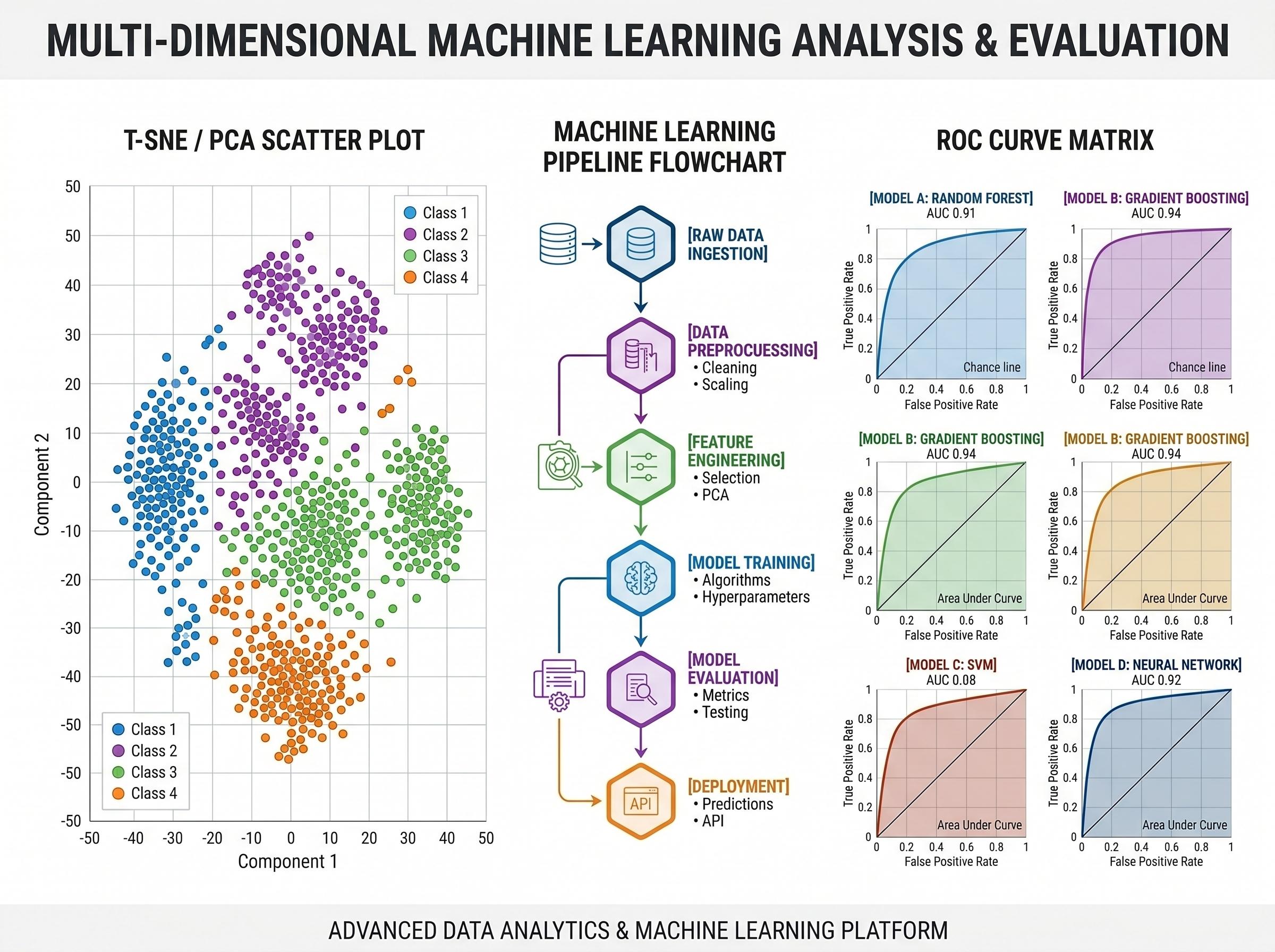
Advanced Predictive Modeling & Machine Learning for Biomedical Data
Move beyond standard hypothesis testing and unlock the predictive power hidden within your biological datasets. Molecular Hub’s advanced predictive modeling service applies cutting-edge machine learning algorithms to high-dimensional biomedical data. Whether you are dealing with clinical patient parameters, multi-omics arrays, or complex cellular datasets, we build robust, validated computational models to discover novel biomarkers and predict clinical outcomes. Our Workflow Includes: 1. Data Pre-processing & Imputation: Standardizing complex datasets, normalizing features, and handling missing clinical values using advanced algorithmic imputation. 2. Feature Selection & Dimensionality Reduction: Utilizing techniques like LASSO regression, Random Forest variable importance, and Principal Component Analysis (PCA) to eliminate noise and isolate the most predictive biological signatures. 3. Supervised Model Training: Deploying state-of-the-art algorithms—including Support Vector Machines (SVM), Random Forests, Gradient Boosting (XGBoost), and Logistic Regression—optimized via rigorous hyperparameter tuning. 4. Validation & Performance Tracking: Implementing strict k-fold cross-validation pipelines to prevent overfitting, and evaluating performance using Receiver Operating Characteristic (ROC) curves, sensitivity, specificity, and confusion matrices. Provide us with your clinical spreadsheets or expression matrices, and we will build a reproducible, high-accuracy predictive pipeline for your research.
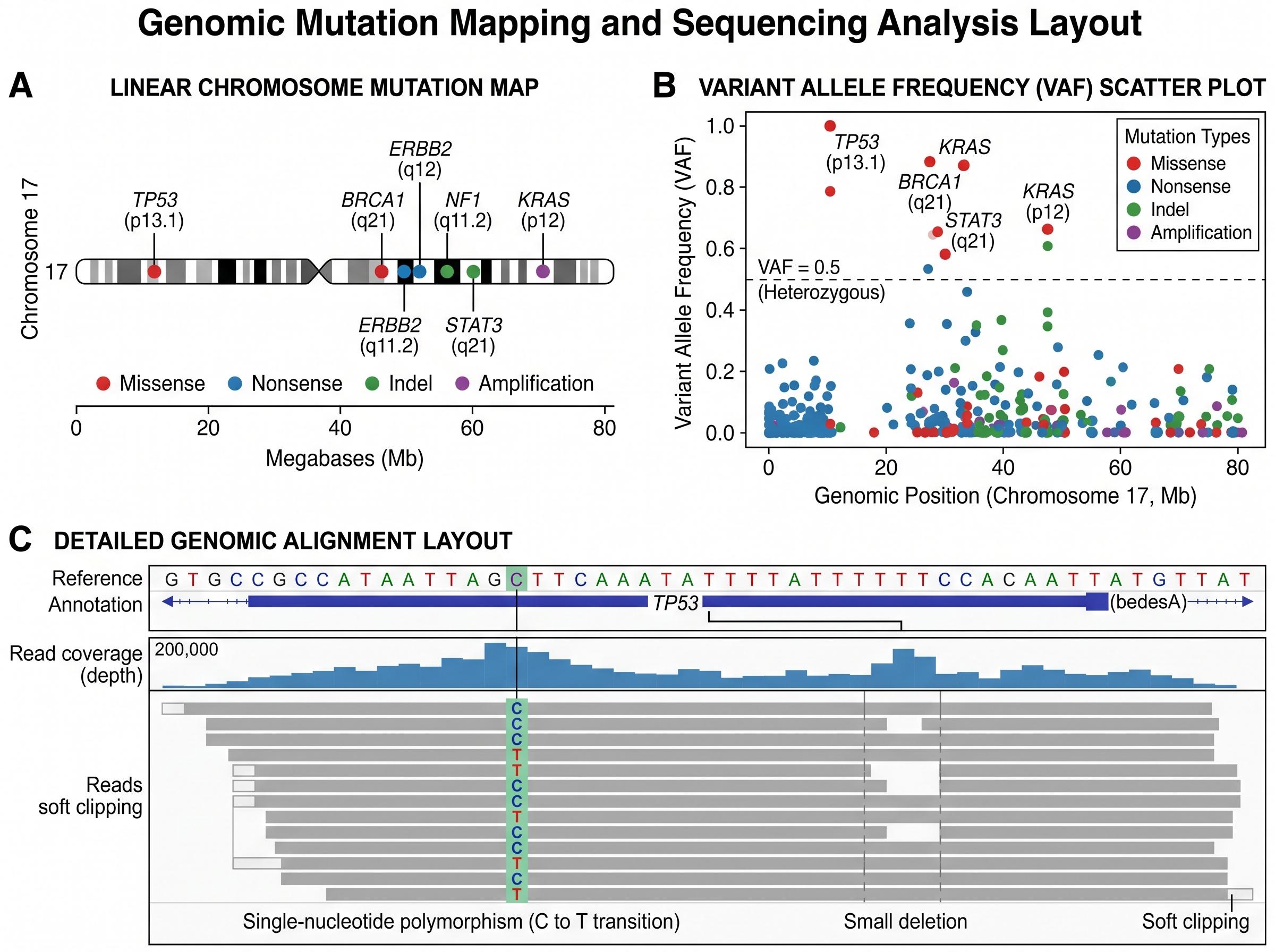
Whole Genome & Exome Variant Calling (WGS / WES Analysis)
Identify critical genetic mutations, single nucleotide polymorphisms (SNPs), and structural insertions/deletions (indels) with industry-leading accuracy. Molecular Hub provides comprehensive, gold-standard Variant Calling services utilizing GATK (Genome Analysis Toolkit) Best Practices pipelines. Whether you are conducting clinical oncology research, investigating rare genetic disorders, or exploring population genetics, we transform raw sequencing data into deeply annotated variant profiles. Our Workflow Includes: 1. Alignment & Pre-processing: Mapping raw FASTQ reads to standard reference genomes (e.g., hg38/GRCh38) using BWA-MEM, followed by duplicate marking and Base Quality Score Recalibration (BQSR). 2. Variant Discovery: Deploying high-sensitivity variant callers—such as GATK HaplotypeCaller for germline variations or MuTect2 for tumor-normal somatic mutation screening. 3. Quality Filtration & Recalibration: Applying strict Variant Quality Score Recalibration (VQSR) or rigorous hard-filtering to eliminate false positives and secure high-confidence mutation calls. 4. Functional Variant Annotation: Annotating discovered variants using ANNOVAR, SnpEff, or VEP to determine coding impacts (missense, nonsense, frameshift) and clinical significance. 5. Database Cross-Matching: Screening variants against global databases like ClinVar, gomAD, 1000 Genomes, and COSMIC to filter for rare, highly deleterious, or pathogenic mutations. Submit your raw Whole Genome (WGS) or Whole Exome (WES) sequencing files, and let our team map out your genomic landscape!
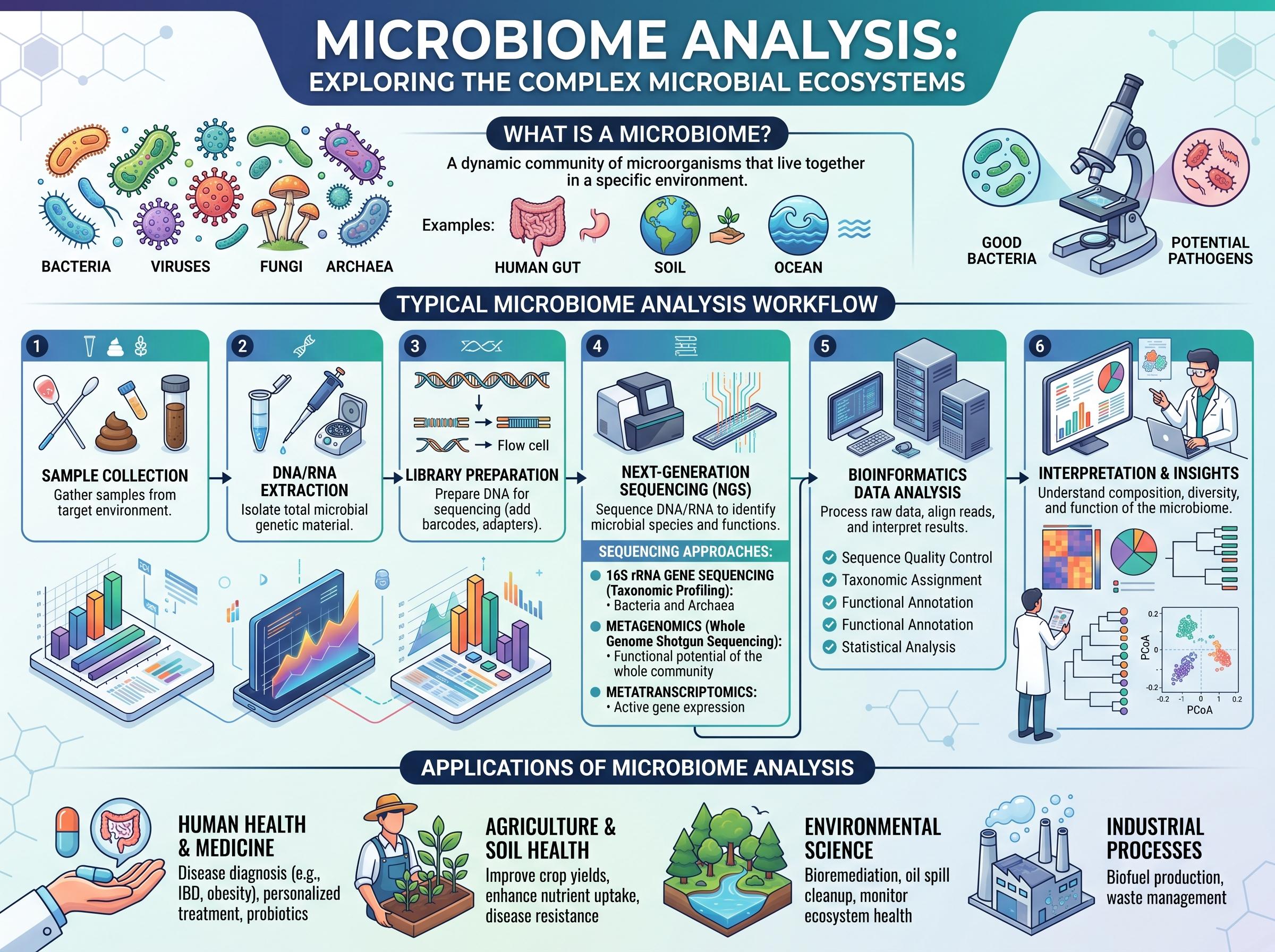
16S/ITS/Metagenomic Microbiome Analysis
Unlock the complexities of microbial communities with Molecular Hub’s Metagenomics and Amplicon Analysis service. Whether you are investigating the human gut microbiome, agricultural soil health, or wastewater ecology, we transform raw high-throughput sequencing data into clear taxonomic and functional profiles. Our Workflow Includes: 1. Dada2/QIIME2 Processing: Quality filtering, denoising, and chimera removal of raw Illumina/PacBio FASTQ reads to generate high-resolution Amplicon Sequence Variants (ASVs). 2. Taxonomic Classification: Assigning taxonomic identities against updated reference databases (SILVA for bacteria, UNITE for fungi, GreenGenes). 3. Diversity Profiling: Calculating Alpha Diversity (Shannon, Chao1 indices) and Beta Diversity (PCoA/NMDS plots based on UniFrac distances) to measure community variation. 4. Differential Abundance: Identifying statistically significant biomarker taxa across experimental groups using specialized tools like LEfSe or DESeq2. Provide us with your raw metagenomic sequencing datasets, and we will deliver comprehensive microbial community insights.
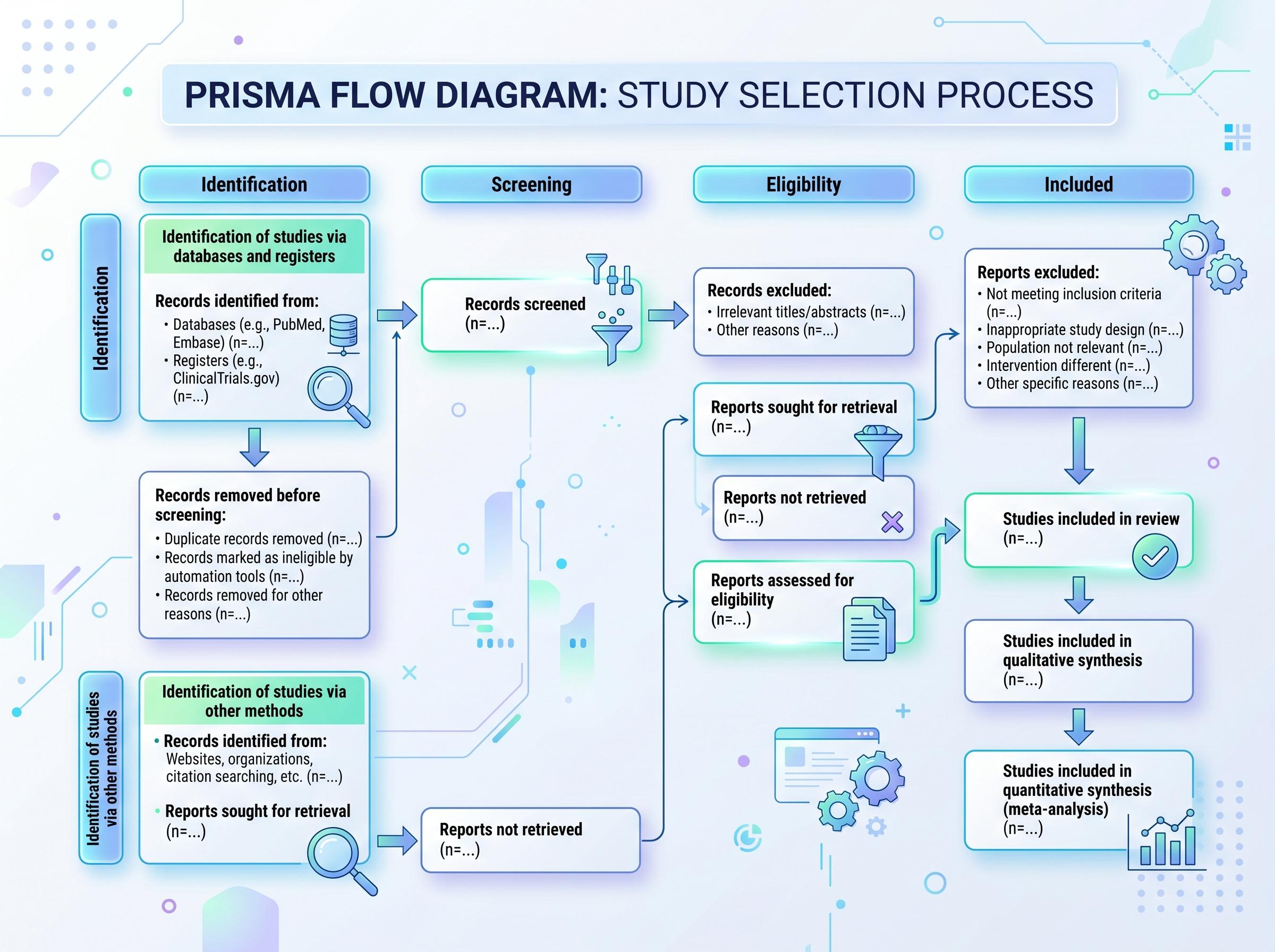
Systematic Review & Biostatistical Meta-Analysis Services
Elevate your research impact by pooling data from existing literature into a single, high-powered quantitative conclusion. Molecular Hub provides rigorous systematic review and meta-analysis services tailored for medical, clinical, and biological sciences. We follow strict PRISMA (Preferred Reporting Items for Systematic Reviews and Meta-Analyses) guidelines to synthesize multi-study data into publication-ready evidence. Our Workflow Includes: 1. Protocol Development & Literature Search: Defining your PICO (Population, Intervention, Comparison, Outcome) framework and executing exhaustive systematic searches across major databases (PubMed, Scopus, Cochrane, Google Scholar). 2. Screening & Data Extraction: Building PRISMA flow diagrams to track study inclusion/exclusion, and systematically extracting effect sizes, sample sizes, means, standard deviations, or odds ratios. 3. Statistical Pooling & Heterogeneity Testing: Using Fixed-Effects or Random-Effects models to calculate comprehensive pooled effect sizes, backed by strict heterogeneity assessments (I² statistics and Tau²). 4. Diagnostic Plot Generation: Creating signature high-resolution diagnostic plots, including Forest Plots to visualize overall pooled effects and Funnel Plots to evaluate potential publication bias. 5. Sensitivity & Subgroup Analysis: Conducting robustness testing by systematically removing individual studies or running meta-regressions to isolate confounding factors. Provide us with your core research question or your extracted study matrix, and our team will deliver a comprehensive, mathematically sound meta-analysis!
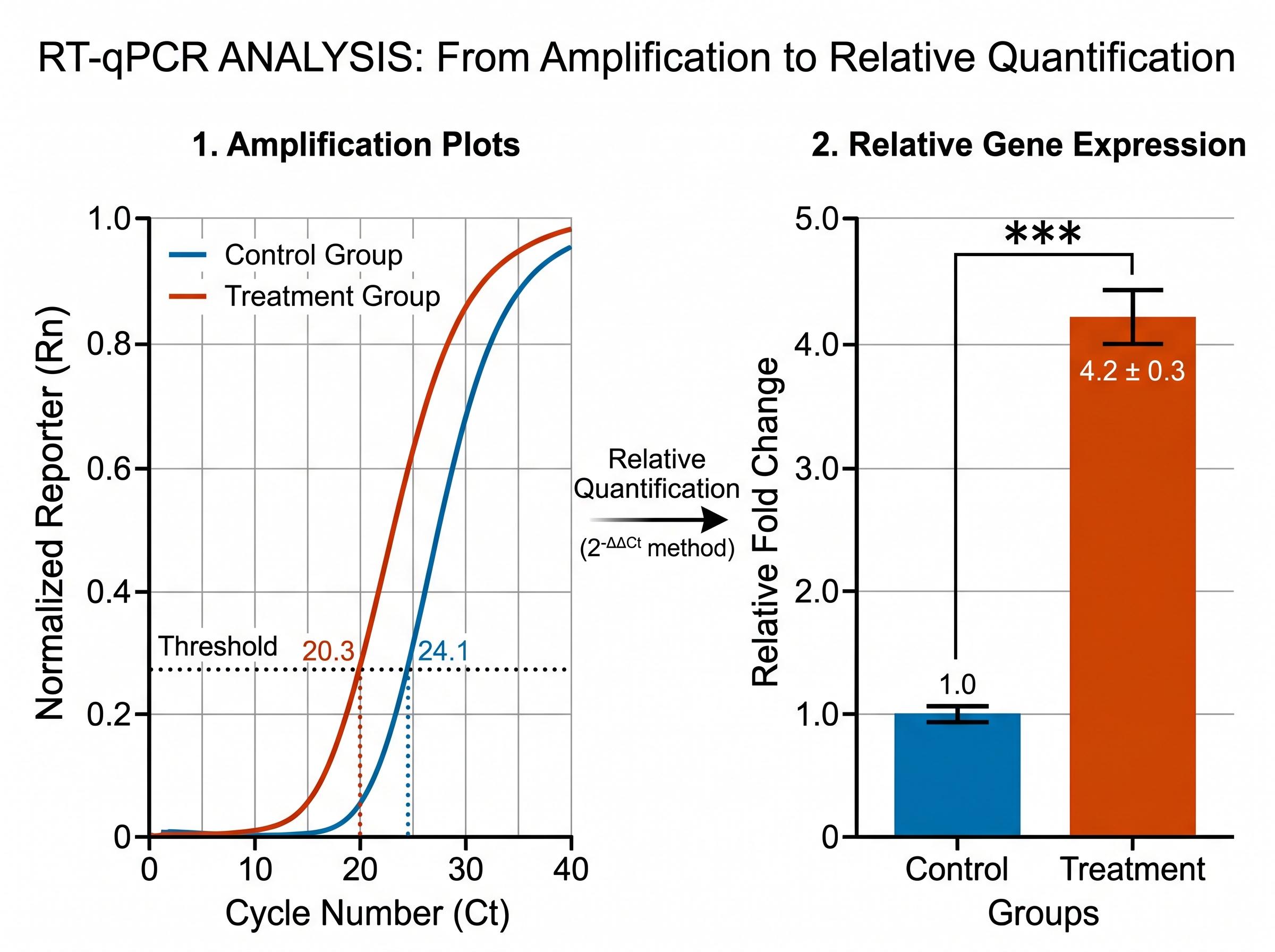
Gene Expression Analysis (qPCR & Microarray Data Processing)
Translate your experimental amplification outputs into reliable, publication-grade gene expression profiles. Molecular Hub offers expert analysis for both Real-Time Quantitative PCR (RT-qPCR) and Microarray datasets, taking care of the tedious calculations, normalization steps, and statistical validations required to prove changes in gene activity. Our Workflow Includes: 1. Data Quality Control & Thresholding: Reviewing raw amplification curves, evaluating melting curves for primer-dimers or non-specific amplification, and determining baseline thresholds. 2. Normalization & Relative Quantification: Applying the standard Delta-Delta Ct (2^-ΔΔCt) method utilizing validated internal reference/housekeeping genes (e.g., GAPDH, Actin, 18S rRNA) to accurately determine relative fold-change. 3. Absolute Quantification (Optional): Constructing standard curves using serial dilutions to calculate absolute copy numbers or viral loads for clinical/diagnostic setups. 4. Microarray Intensity Processing: For large-scale expression microarrays, we handle raw intensity file extraction (.CEL files), background correction, and Robust Multi-array Average (RMA) normalization. 5. Statistical Significance & Visualization: Executing Student’s t-tests or One-Way/Two-Way ANOVA to verify the significance of expression changes, followed by generating high-resolution, journal-ready expression plots using GraphPad Prism. Send us your raw Ct values from your thermal cycler or your microarray intensity data, and we will deliver beautifully visualized gene expression results!
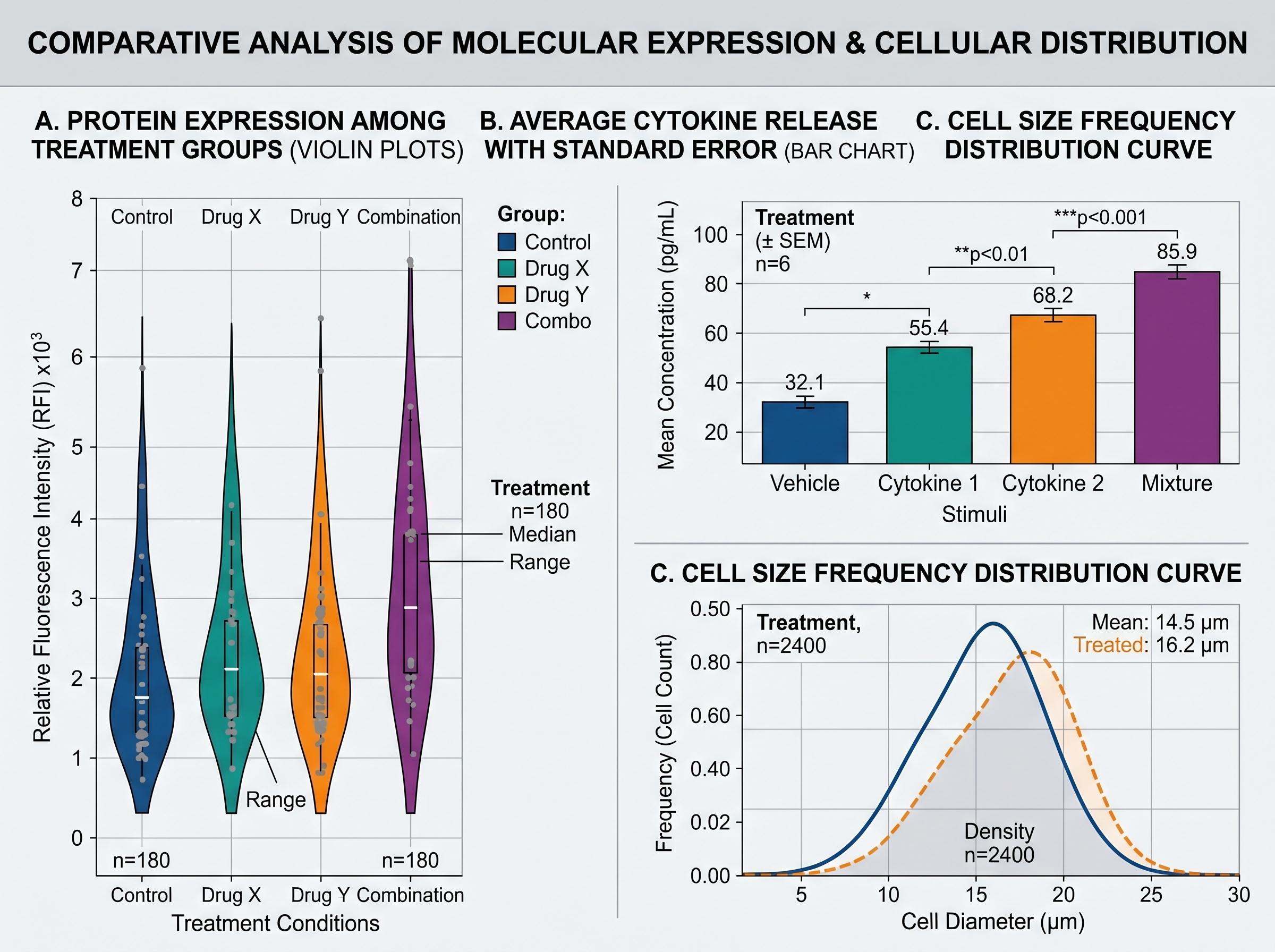
Descriptive Statistics & Data Visualization Services
Transform your raw experimental, laboratory, or clinical data into organized, meaningful, and visually striking summaries. Molecular Hub offers specialized descriptive statistical analysis to help you understand your data's baseline characteristics, evaluate underlying distributions, and create professional figures tailored for high-impact journals and thesis submissions. Our Workflow Includes: 1. Data Auditing & Preparation: Inspecting raw datasets for outliers, missing values, and entry errors to ensure absolute data integrity before analysis. 2. Central Tendency & Dispersion: Calculating precise metrics including means, medians, modes, standard deviations (SD), variance, and standard errors (SEM) to accurately represent your datasets. 3. Distribution & Normality Profiling: Evaluating data architecture through skewness, kurtosis, and formal normality assessments (Shapiro-Wilk) to map out your data's shape. 4. High-Impact Visualization: Generating pristine, high-resolution scientific graphics (Histograms, Box plots, Violin plots, and Cumulative frequency curves) using IBM SPSS and GraphPad Prism. 5. Baseline Cohort Summaries: Structuring comprehensive, journal-style demographic and baseline characteristic tables (commonly required as "Table 1" in scientific publications). Let our team handle the foundational math so you can focus entirely on presenting your core research findings!
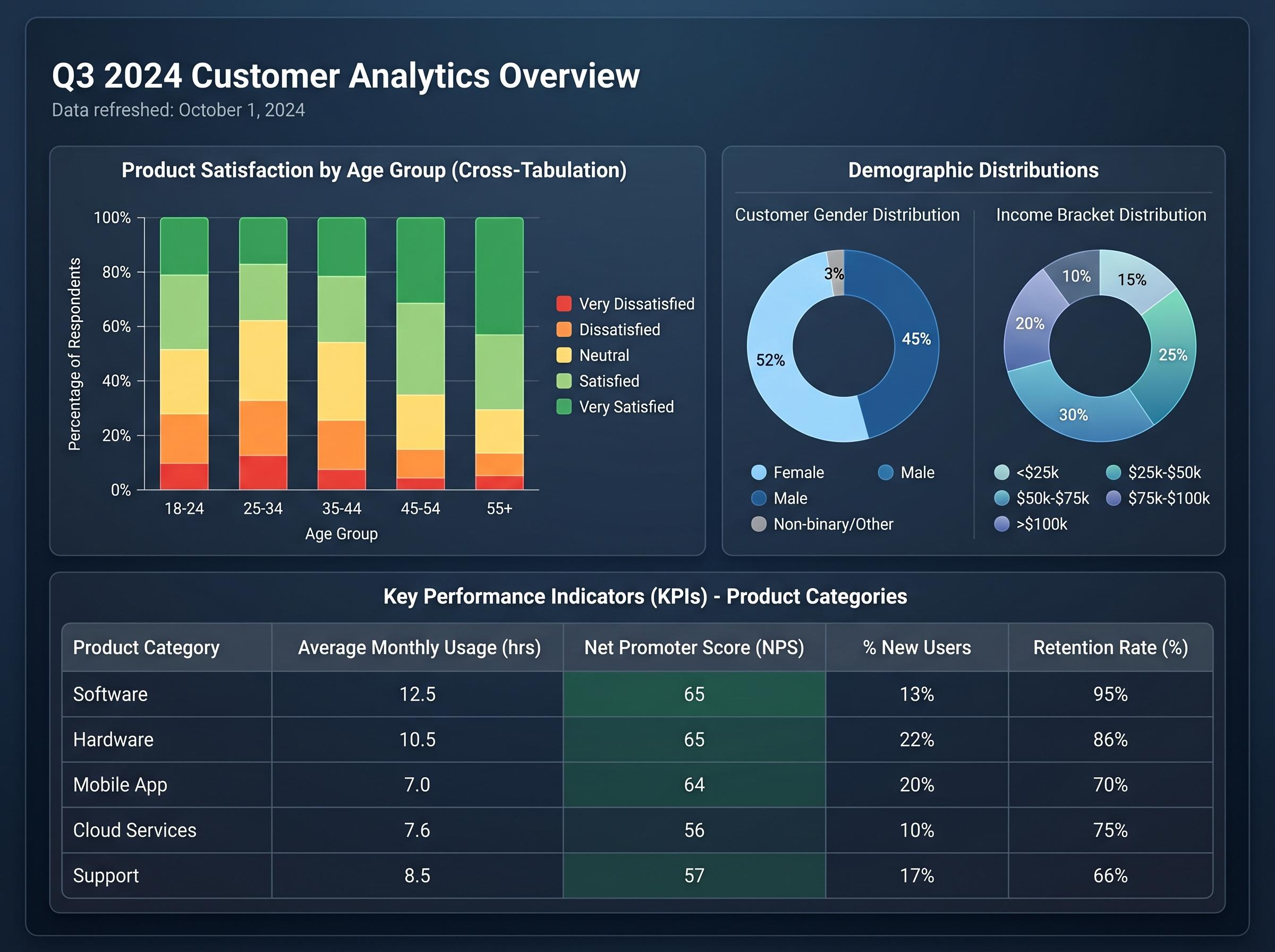
Research Questionnaire & Biostatistical Survey Analysis
Transform raw survey responses and clinical questionnaires into clear, publication-ready statistical findings. Molecular Hub provides comprehensive biostatistical analysis services for research papers, thesis projects, and epidemiological studies, utilizing industry-standard software like IBM SPSS and GraphPad Prism to extract clean, reliable insights. Our Workflow Includes: 1. Data Cleaning & Coding: Auditing your raw Excel or Google Forms data, handling missing responses, correcting reverse-coded items, and structuring categorical and continuous variables properly. 2. Scale Reliability & Normality Testing: Checking internal scale consistency using Cronbach’s Alpha and performing strict normality assessments (Shapiro-Wilk / Kolmogorov-Smirnov) to accurately choose between parametric and non-parametric pathways. 3. Descriptive Statistics: Summarizing your cohort demographics and baseline data using frequencies, percentages, means, standard deviations, and standard errors. 4. Inferential Hypothesis Testing: Executing precise cross-tabulations, Chi-Square tests for independence, Independent t-tests, and Analysis of Variance (ANOVA / Kruskal-Wallis) to evaluate critical group differences. 5. Correlation & Regression Modeling: Uncovering deeper dependencies using Pearson/Spearman correlation matrices and running Linear or Logistic Regression to isolate specific predictive factors. Provide us with your raw questionnaire spreadsheet and your core hypotheses, and our team will handle the full statistical execution!
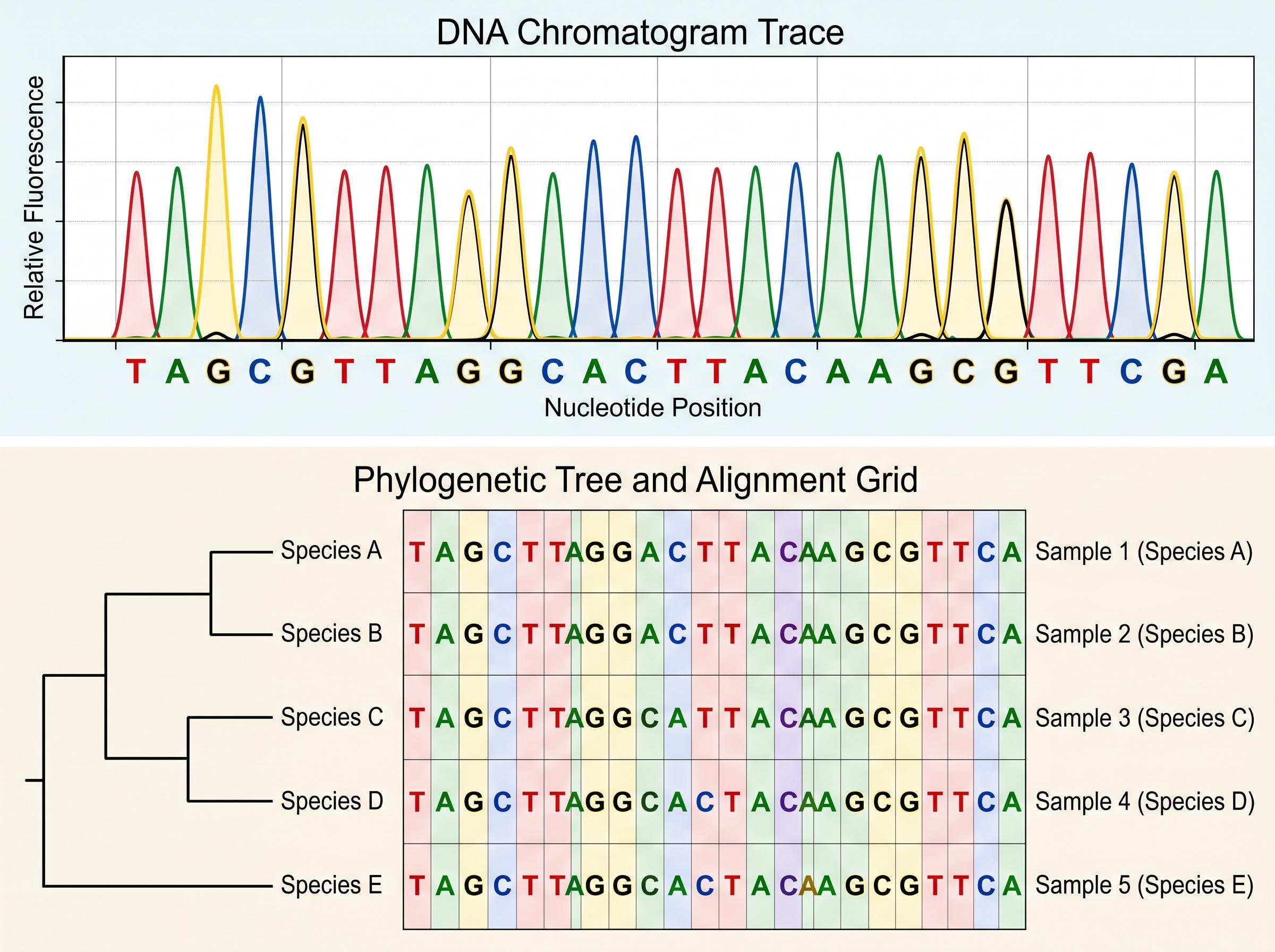
Sanger Sequence Analysis & Species Identification
Turn your raw capillary electrophoresis data into accurate, verified genetic insights. Molecular Hub provides comprehensive Sanger sequence analysis, specializing in sequence clean-up, vector/primer trimming, and high-accuracy alignment for species identification or mutation screening. Our Workflow Includes: 1. Chromatogram Quality Control: Reviewing raw .ab1 or .scf files, assessing trace quality (Phred scores), and manual editing/trimming of low-quality ends or dye blobs. 2. Consensus Sequence Generation: Aligning forward and reverse reads to generate a highly accurate, contiguous consensus sequence. 3. Sequence Alignment & BLAST: Performing local or NCBI BLAST searches against reference databases to determine percentage identity and species identification. 4. Mutation & Variant Detection: Comparing your sequences against a reference gene to identify single nucleotide polymorphisms (SNPs), insertions, or deletions (indels). 5. Phylogenetic Analysis: For evolutionary or biodiversity studies, we perform multiple sequence alignment and construct publication-ready phylogenetic trees. Simply provide your raw trace files (.ab1) and primer sequences, and our team will deliver clean, verified data.
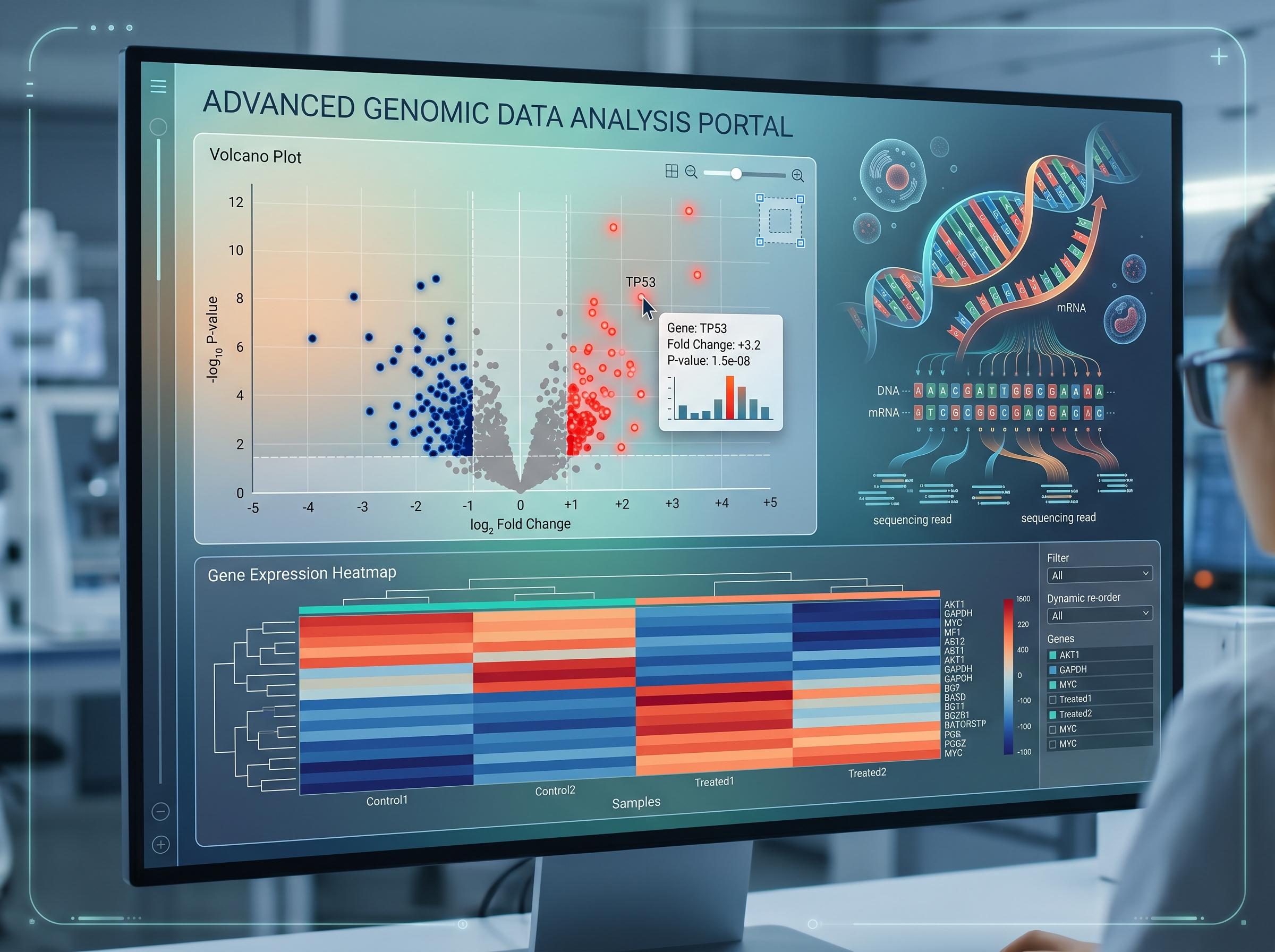
RNA-Seq Data Analysis & Differential Gene Expression
Welcome to Molecular Hub’s premier RNA-Seq analysis service. We transform your raw sequencing data into publication-ready biological insights. Our end-to-end pipeline handles everything from rigorous quality control to advanced functional enrichment. Our Workflow Includes: 1. Quality Control & Trimming: Raw FASTQ assessment using FastQC and adapter trimming via Trimmomatic to ensure high-quality data. 2. Alignment & Mapping: Mapping reads against standard reference genomes (Human, Mouse, Rice, Arabidopsis, etc.) using HISAT2 or STAR alignment tools. 3. Quantification: Estimating gene and transcript abundance counts using FeatureCounts or StringTie. 4. Statistical Analysis: Identifying differentially expressed genes (DEGs) across your experimental groups using DESeq2 or edgeR pipelines. 5. Functional Annotation: Extracting biological meaning via Gene Ontology (GO) and KEGG pathway enrichment visualization. Provide us with your raw data (FASTQ format) or alignment files (BAM format) and let our team handle the computational heavy lifting!